Second Thoughts

OLYMPUS DIGITAL CAMERA

Second Thoughts

Birches with peeling bark
root with certainty in the spring soil
while the ifs
of the inorganic world outshine
the quiet, sun-soaked solitude.
Stretching on a lazy rock,
I manufacture thoughts and watch them
roam like hawks, settling
now and then on rabbits, mice,
the occasional thesis.

A balmy spring wind flaps
the empty pages of an untold tale
like parade flags waving at bystanders.
If I stay long enough
the paper will yellow and parch,
and if the wind stops, my eyes
will ambush the conclusion.

IMG_20150621_153314IMG_3060


Wildness: Voices in the Sacred Landscape

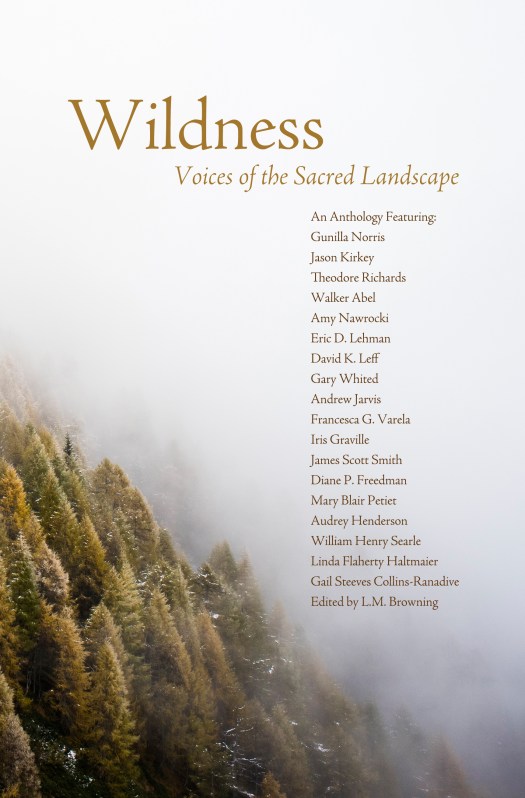
Check out this great new anthology. In celebration of the 5th anniversary of its founding, Homebound Publications is pleased to announce the publication of Wildness: Voices of the Sacred Landscape, featuring 19 authors including David K. Leff, L.M. Browning, Gunilla Norris, Theodore Richards, Gary Whited, Eric D. Lehman, and me.

Anthology_cover_fin

Here’s a teaser from my essay “Choosing Peregrine.”

This peregrine is not too much bigger than a crow or mourning dove, but unmistakable, once I finally find her in my assisted gaze. We piece together the story.

Support Homebound, an independent, socially and environmentally conscious publisher. Purchase your copy today. Celebrate beauty; choose love. Be kind.

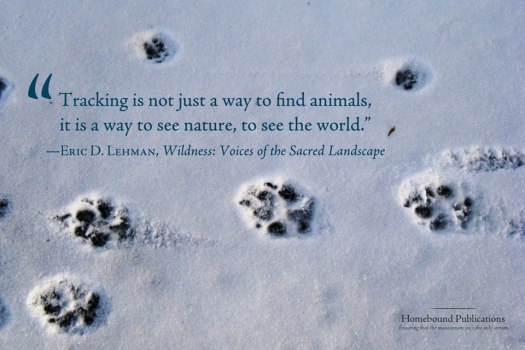
erics wildness quote


Flight

We had a family of cardinals nesting in a laurel tree right below the deck. After many discussions about the impracticality of their choice, Eric and I did our best to keep quiet and observe from our deck chairs as mom and dad tended to the eggs. When the babies hatched (only two survived–we’re not sure why) they huddled silently and safely under the protection of mother cardinal. When the rains came last week, we worried about the possible deluge and tried to maneuver the umbrella to shelter them. We couldn’t secure it well enough, but hoped for the best. The babies were beginning to show their feathers, but we worried they were still too young to depart the nest or survive too much rain. The next morning, the nest was empty, and slightly tilted. Mother cardinal chirped anxiously on the railing, and her bright red husband also seemed nervous. I feared that they’d fallen out, but we could find no evidence below. As we inched around to investigate, a small flutter emerged from the laurel and took off toward a nearby branch. Definitely a fledgling, small and awkward, looking for guidance and support from Dad. Eric is sure he saw two–a male and a female. I don’t trust my eyes that much, but I know at least one left the nest successfully. I hope both. A thing with feathers, they say–hope.

Still faithless–first flight.baby cardinals

Here is my poem “The Uncurtained Window” about another bird experience. The poem won the Phi Kappa Phi poetry prize for Spring 2014. Click here for commentary by Sandra Meeks.

The Uncurtained Window

There are a few ways this could go,
a Rorschach for the faithful—

a settlement for the kind of universe
that will hold believers and unbelievers both
and the bird that has crashed
headlong into the uncurtained window.

The impact was audible;
had the glass been less solid, the shattering
would have left them both in shards.
A spilled bird, downy, red-headed, male.

The leaf bed below seems promising, soft,
cushioned. There is no movement.

Between believing and not believing,
there are five careless minutes in which part of her
has already buried his hollow bones

because she’s done this before, seen mobility
feather away into unanswerable dust,
bent her knees and clasped hands
around wounds that did not heal.

Chipmunks carry on,
a titmouse ignores the fallen.

The litany begins:
Is there a shoebox?
Where is the eye dropper? Scissors to cut
the fine mummy fibers of gauze, a toothpick splint?

Between the time it takes to say I hope
and let us undo these finished wishes,
unnecessary hospitals build their own triage:

a wing unfolds itself from broken,
October breezes puff breath into miniature lungs,
legs hop to a steady tree branch, and flight,
so unbearably faithless, begins anew.


Hunger

I wrote “Hunger” as the introductory poem for A History of Connecticut Food: A Proud Tradition of Puddings, Clambakes, and Steamed Cheeseburgers, which I co-wrote with Eric D. Lehman and me. Pick up a copy today–a perfect complement for cookouts, farmers’ markets and the pick-your-own summer bounty.

Hunger

What if the egg
never cracked or the slick moon
of a spoon never borrowed broth
from the blackened kettle
to meet our lips?

What if the apple tree
never shook in a spring storm
or a mantle of snow
never foretold future greens
and silky yellows?

If the cook never tested the pie
or the famished traveler
never asked for seconds,
whose heart would break
with meringue’s collapse
or the steak’s charred crust
folding toward a knife edge?

How would we nourish
our labors if not with
the earth’s capacity to feed us
and the tongue’s aptitude
for savoring?

How would we find
our true selves, spice and all,
without plunging hands
into a mound of dough
or stealing a lick with sloppy fingers?

Who will butter our bread
if not the crepuscular calls
of hunger from which we have
happily never escaped?


Blue-stained Ukulele

I found this draft of a post this morning. I’m not sure why I never finished it or posted it last year. Thanks for this month’s issue of National Geographic (about Yellowstone National Park) for inspiring me. . .

From April 2015:

I’ve been a subscriber to the National Geographic Magazine for a few years now, often binging on issues when I find a pocket of free time. This weekend is the calm before the storm of end-of-the-semester melee that will consume the next two weeks. So I’ve been catching up on the April 2015 issue, which features a moving essay commemorating  the 150th anniversary of Lincoln’s death, tracing the route of the funeral procession. was reminded that the coffin remained open for most of the journey.

I finished that article on Friday, leaving all but one article for Sunday, when Maoist militants bludgeon the weakest of India’s citizens with terror and coal and pine beetles kill mighty forests from British Columbia to Colorado. Maybe the spirit of goodness in all of this was found in the salvaged wood, left after the beetles kill away everything else. The blue marks left over make beautiful patterns. Al Gore, apparently, owns a blue-stained ukulele, but I’m not sure to laugh or cry knowing that. Most of the time, the corpse trunks and branches are burned, but it turns out that much of the beetles’ reign is due to the practice of not allowing the forests to renew themselves through fire. That, and the sweltering globe, which we’ve given them so willingly.

It’s easy to feel overwhelmed and burdened by new knowledge. What I found stranger was that my own sadness was tempered by something like thankfulness. Of course I felt lucky to be safe, comfortable, and privileged, but more so, thankful for the writers and photographers, and for my subscription dollars that ask us to understand that sorrow exists and is as valid and life affirming as its opposite. Thankful that there are words, however insufficient, to make up for the sorrow.

Interview with Fox Adoption Magazine

About a year ago, Fox Adoption Magazine published four of my poems, posting one a month for the summer. Of course I was happy to oblige when they asked to interview me.

Here’s a teaser:(click the link below for the full interview).

Fox Adoption: What sparked your interest in writing and poetry, and how did that then shift your interest to teaching?

Amy:  My interest in writing definitely comes from reading. I began to really love literature in high school, and as I read more and more, I fell in love with the idea of being a writer. . . .

Thanks to Alicia and Josh and foxes everywhere. Check out poems, prose, and visual art and submission guidelines and support this great online journal. Adopt your own fox today.


Birdsongs

I’ve been enjoying Ken Burns’ Jazz documentary on demand lately. Here’s “Birdsongs” from Reconnaissance.

For Charlie Parker and the wind tunnels where, magically and dangerously, creativity may wait.

Birdsongs


Having forgotten
what a line looks like
on a page, I unwrap
a notebook and tune
to Charlie Parker. If I Should
Lose You, I’ll wait for the record,
metal now and shiny,
to hiccup into
its grooves. Scattered
over an unseen stave of five
parallel lines, the blue
narcotic notes from
a saxophone scatter
like debris
in a wind tunnel.