Happy New Year

After the Ball Drops
Only in winter do you really think
about hummingbirds, especially at new year
when flying backward and forward
and hovering at the mouths of spring flowers
is the only way to make it through the snow.

poet
Happy New Year
After the Ball Drops
Only in winter do you really think
about hummingbirds, especially at new year
when flying backward and forward
and hovering at the mouths of spring flowers
is the only way to make it through the snow.
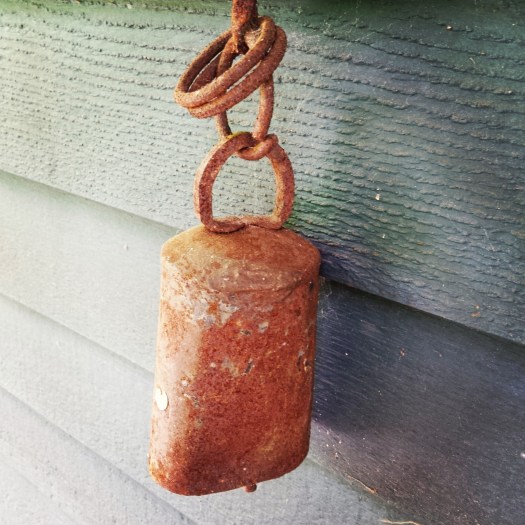
From Four Blue Eggs
Please add Homebound Publications to your list of stops for holiday shopping. Winter Sale–25% off! Finish 2015 off with a book in your lap.
How to Say Goodbye
The eighth month buzzes
through lichen days, dry
and hot; mud pools sweat
from the long-ago decadence
of rain and frogs plop like ice cubes
into this imagined summer drink.
Badges of mica shimmer
in the sun-bathing rocks
and the thirsty earth sends
missionaries—brown mosses
crunching underfoot; leaves
absorbing the prism, reflecting
the short, electromagnetic
waves we have come to call
green, and grasses turning
now, slightly away as if
to say, enough, spreading
chlorophyll cylinders
to catch a dreamed of
rain drop. Even crickets
sing with parched voices;
their constancy interrupted
by an intermittent hiccup;
small bow legs pause to rest
and then return to syncopation.
It’s too hot for human flesh:
our scales have fallen off,
and our naked, unprotected cells
do not photosynthesize.
We are much like sticks
fallen from hardy oaks,
vulnerable to the breakage
of heat. But there are promises, too
here in this parched world:
of shelter, protection, the sip
of a cool night, the awe of witnessing
something of change; promises
of relief if only we hang on until
our reddest moment, after we’ve turned
everything to sugar and can let go
knowing winter’s white can hold us.
In honor of the 150th anniversary of Lewis Carroll’s publication of Alice in Wonderland, the Hamden Public Library has sponsored a number of events this month, including a two-part writing workshop: Finding Your Inner Alice. I am happy to be participating with the 15 other writers in the workshop. Last week we brainstormed and discussed our personal connections to Alice and Carroll’s work.
By the end our our discussion, the group realized that many of us had negative impressions of Alice and her adventures in Wonderland. From my initial thoughts last week, I put together this “second draft.”
“Shut up like a telescope”
Finding My Inner Alice, Rough Draft, prose memory.
I come to Alice from a tree branch, from a separate limb. Maybe I’m the Cheshire Cat, watching myself watch her. I have no immediately accessible memory of time or place. No matter. I see from my pocket watch that I’ve arrived too late. She’s already gone down, and only by looking back—or looking through—or catching my reflection in my own looking glass—does she manifest.
My mother read to us often, and I recall, impressionistically, other books: their muted green covers, gold edged pages and pen-and-ink drawings. This is how I can render Toad and Rat and Badger in my mind from Wind in the Willows. I can still touch those pages.
Though I can’t pinpoint how I came to know her, it’s not hard to picture Alice, her blue dress and white pinafore painted like so many others in the Technicolor of Disney. But whether her image is a piece from a specific moment or a combination of moments, I don’t know for sure.

But it seems that my memory of Alice begins on page 8. I imagine that I’ve seen this drawing before, and that the first time I saw it I felt something. The image of long-necked Alice, stretched like silly putty and uncomfortably large, frightens me even now. It conjures in my mind a sense memory, something tactile, as if I can feel the vertebrae in my own neck separate. But unlike the thrill of seeing each inch of your life penciled on a hallway wall as you grow and age, I see Alice’s elastic neck as strangulation, instead of release. The key I need is out of reach.
Instead of watching my feet disappear underneath me, I watch a body in torment, and just for good measure the Queen of Hearts has come along to say with all the echo of childhood discomfort: “Off with her head!” The rabbit hole is dark, and the looking glass reflects a fat little girl who can’t stand to be seen.
Alice’s neck is most vivid because it speaks to my nine year old self and the torture that my own body inflicted on me. Betrayed by the little cakes and drinks of “cherry-tart, custard, pineapple, roast turkey, toffee and hot buttered toast;” betrayed by birthdays and elongating limbs, adolescence simply became “curiouser and curiouser,” and I became sadder and sadder. Even now, Alice’s long neck frightens me out of my skin.

Thanks to Peter Everett and all the students from Housatonic Community College for inviting me to speak and sharing their ideas about point of view, perspective and crafting a voice in poetry. Special thanks to my former student James Novoa spending your day off with me and for snapping a few pictures. Videos to come.


All are welcome; The HCC bookstore will be selling copies of Reconnaissance and Four Blue Eggs, and I’ll be signing books and discussing Point of View, Perspective, and Crafting a Voice.
A wonderful gathering at Nomad’s End put me in the mind of this poem from Four Blue Eggs. Thanks to Ann Nyberg, Eric D. Lehman, Leslie Browning, and Andy Long, Jim Lampos and Michaelle Pearson, John and Denise Surowiecki, Jose Cabrera and Michael Doran.

A Great Deal of Company
~from Walden, by Henry David Thoreau
After the storm, the loneliness
does not evaporate. A half-day trek
to the shingled cottage through dunes
ripe with coyote tracks and unfriendly
dwarf pines means another week in isolation
with only the oily pigment of August
and the acrid stink of turpentine
to argue with. Even when the sun
in its naked, unforgiving callousness
ventures out again, holes in the atmosphere
remain. It could be worse.
A fourth trapped mouse rumors
to be still alive behind the shack,
and the ghosts of bums and poets ricochet
around the creaky loft. These, anyway, are voices,
consolation for the blank canvas in front of her.
A still life of bowled fruit decays in the charcoal
of her mind. First the brush must dip itself
into the clear water where the muses bathe,
but the well coughs up only the red iron of earth.
Once the mottled conglomerates
of sunset arrive, dinner is made; the wood stove
sparks against a damp log, the unswept floor
calls for a broom, and the burden of idleness
finally exhausts her. She dunks dry bristles
into wet, sandy paint, spreads black onto white
and forges a scene: stick figures walking
in the terrestrial moonscape of dune summer.
A blue crescent of water loops off
the feathered page, blurs past beach grass
to the deep, ample surf, its shores crowded
with the blinking eyes of sea gazers, each
with gravity ’s sadness salted to one brush tip.
Four weeks in, I’m wondering if anything is starting to stick. Annotating the texts hasn’t quite led to dirty hands. Maybe tomorrow.
You can find the poem in Reconnaissance. Books are required for the course. Buy it.
Prototype
Bless the first day of class
in its confined clutter. Notebooks
stacked and piled like sculptures that
say to the first lesson, I am ready
for you to feed me. Catapult us
into the realms of academia.
I picture chimpanzees swallowing
pineapple white sheets in open cages.
Get your hands dirty, I tell them,
love the pages, the print, smell it
and remember papyrus. Break
the spine, hold it up to the light,
tell me who you are, author, tell
me your secrets, help me make sense
of your world. Transmogrify.
Cave dwellers, hierophants—make friends
with the exclamation point, bond
with the asterisk. Play with dirt.
Play with dirty words.
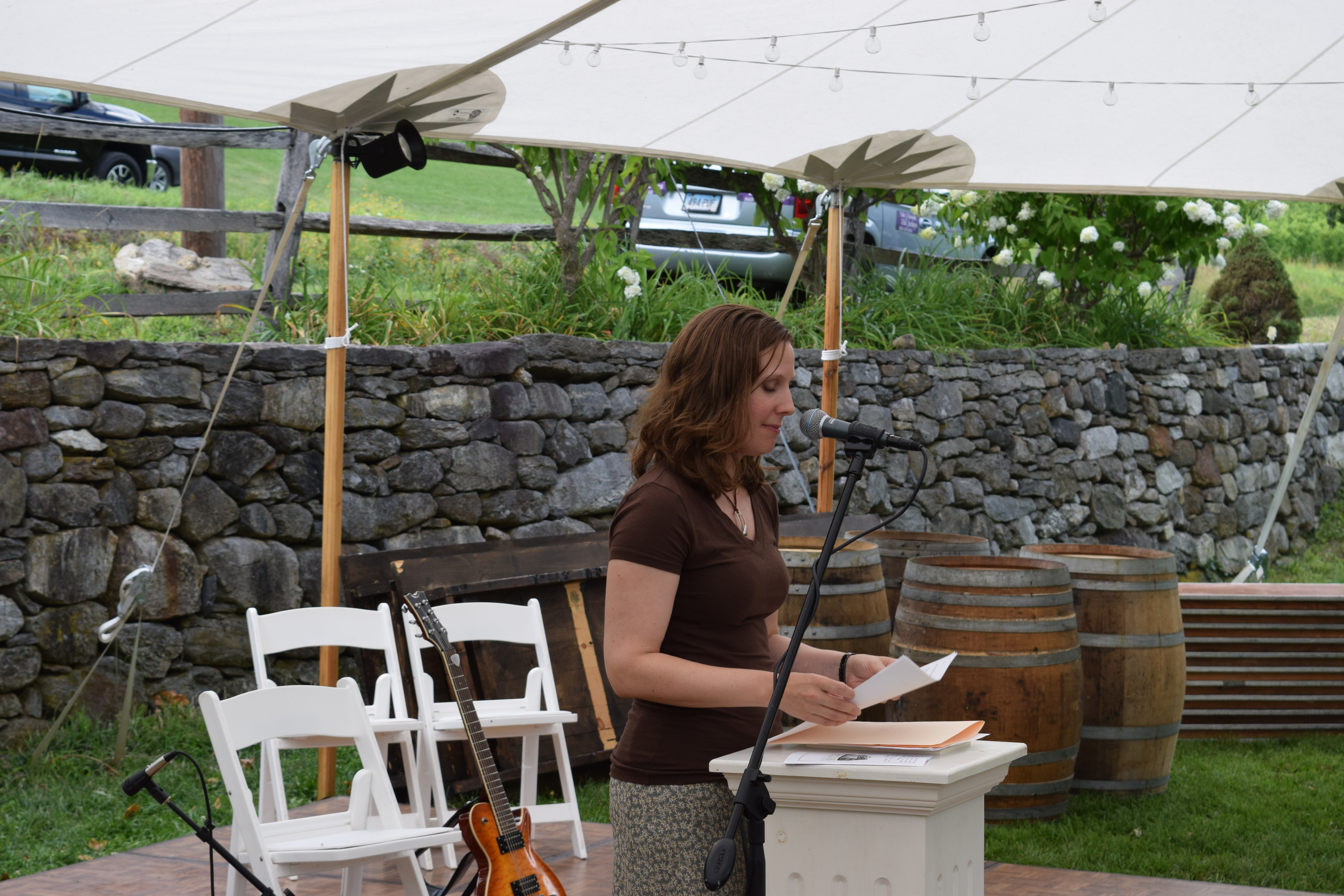
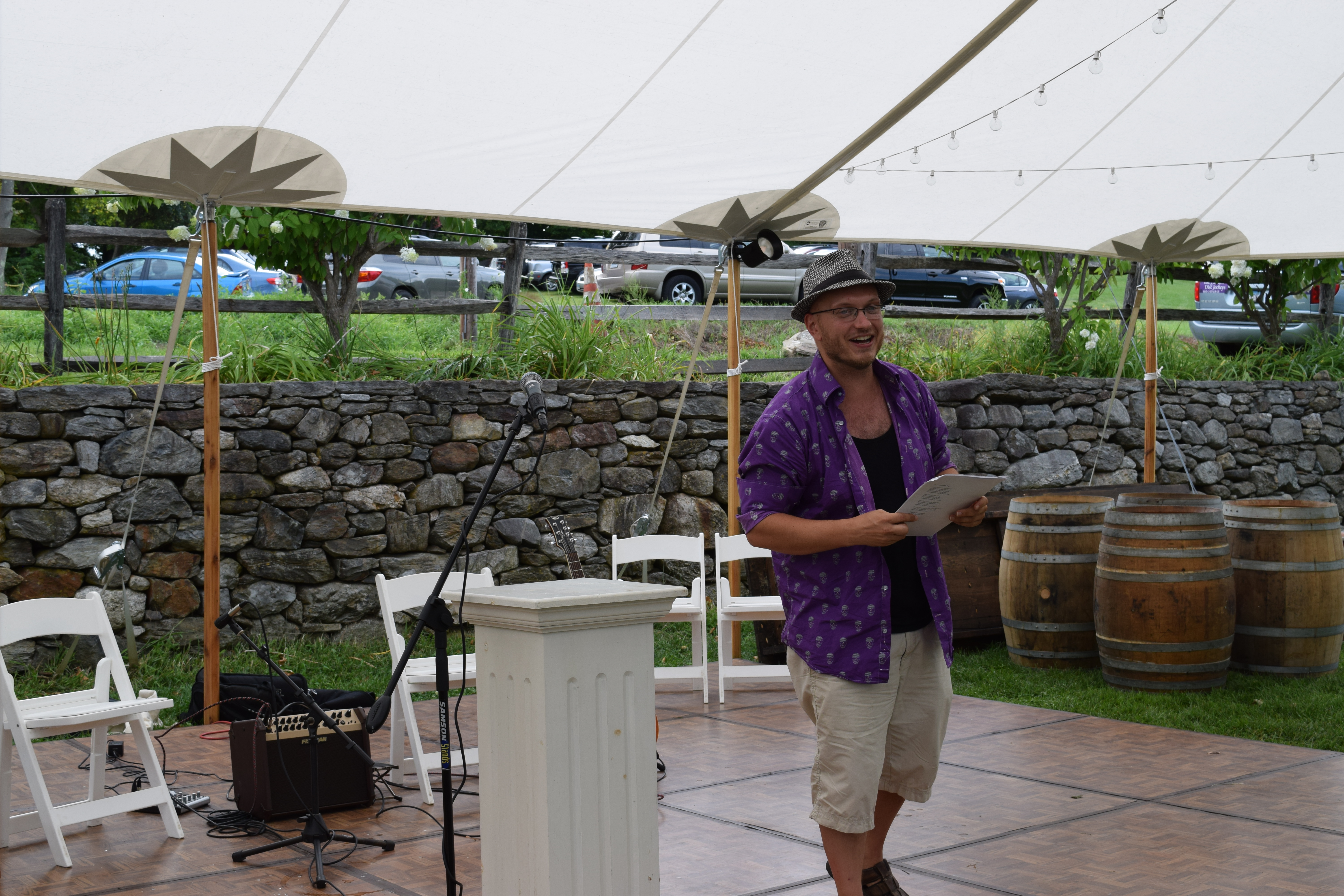
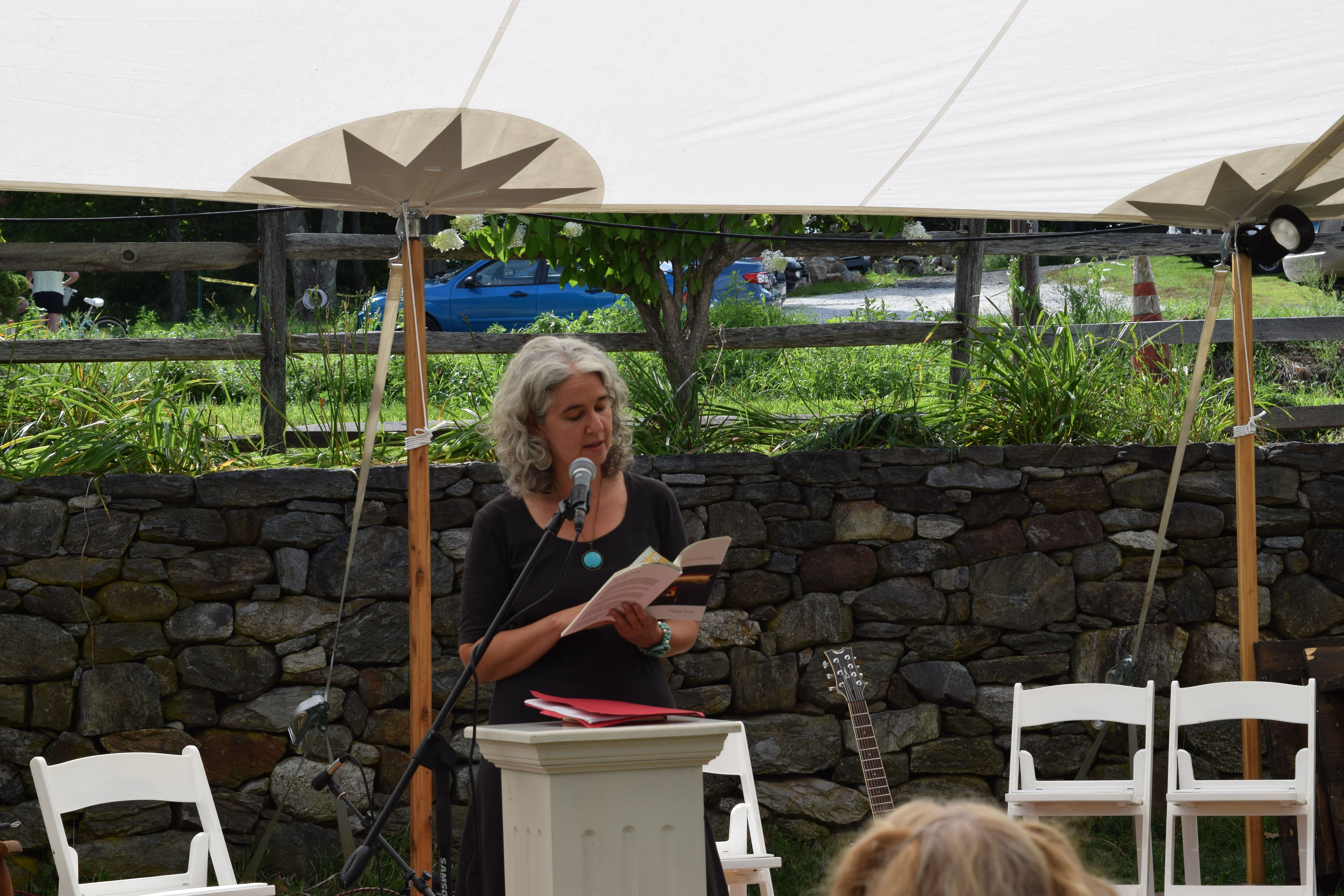
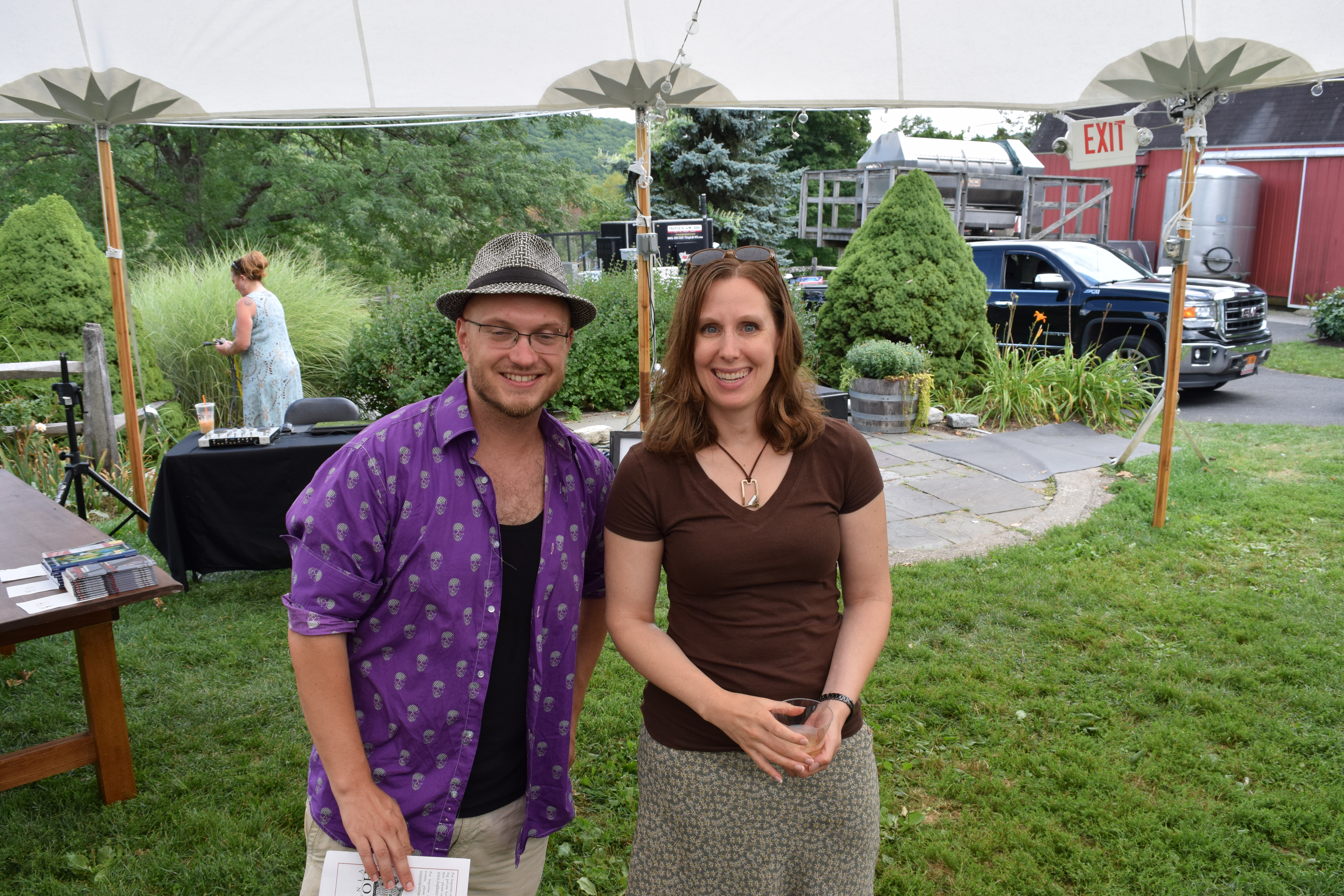
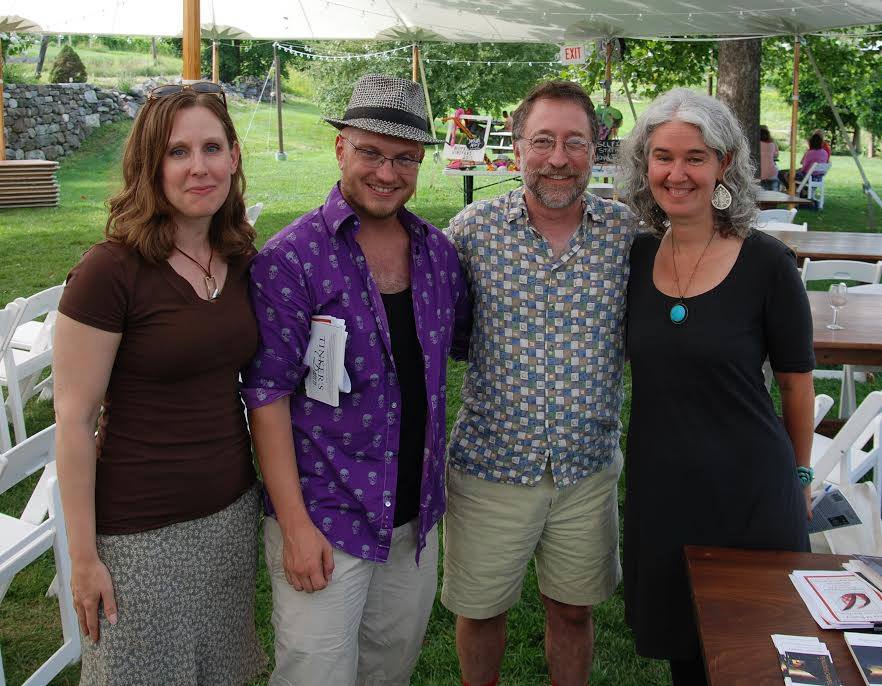
Thanks to Voices of Poetry and Hopkins Vineyard for hosting “Back on the Vine” poetry reading and music event at the beautiful vineyard in Warren, CT. The wine was great, and the poetry was even better, spoken and sung. Readers included David K. Leff, me, Charlie Bondhus, Melissa Tuckey, with music by Carol Leven and Nick Moran.
Please support us and all artists, writers, musicians who do what we do because we love it. Buy books and CDs, come back to our readings, follow us on Facebook, sign up for our classes, share wine with us at your local poetry watering hole (which essentially means anywhere).


Mirror, Mirror
She tells me what I want to hear;
puckering into the glass, I primp,
outlining thin lips with red dye,
shading eyes and rouging cheeks.
Pretty, she says with coy shine.
The heat from my toy gun dryer
burns already frail follicles as I smooth
sometimes blonde hair into waves.
No gray, she whispers, imitating.
She doesn’t blink when frizz spews,
doesn’t snicker when I flick tartar
from minty floss into her silver eyes.
When I shimmy brick hips to zip
a long pleated skirt, she says oooh.
Ignoring grooved stretch marks
when draped beneath a pink towel,
she favors shoulder muscles, and like
a true friend, reminds me—too much
bundt cake—with a wink as I close
the noncompliant bathroom door.
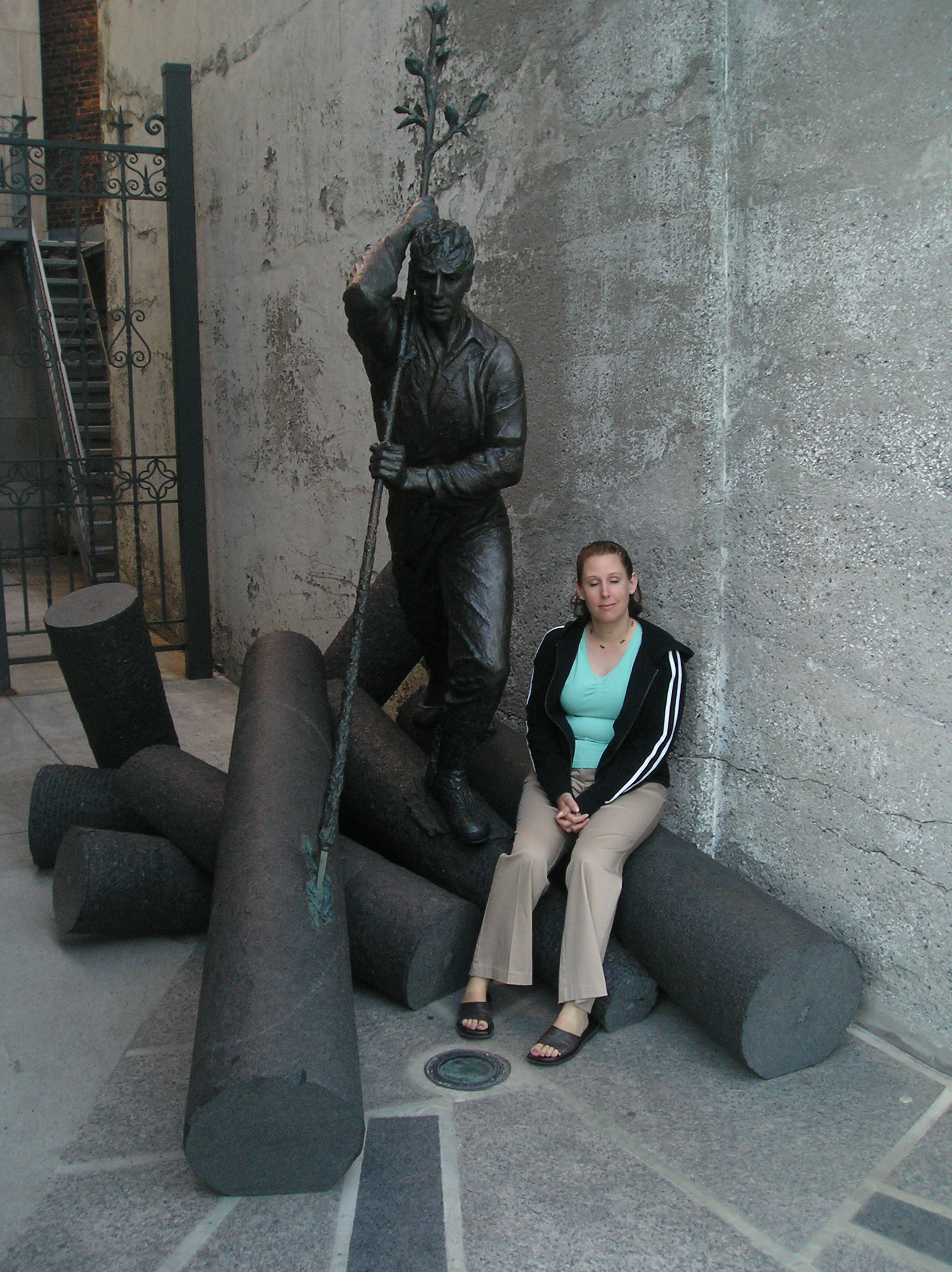
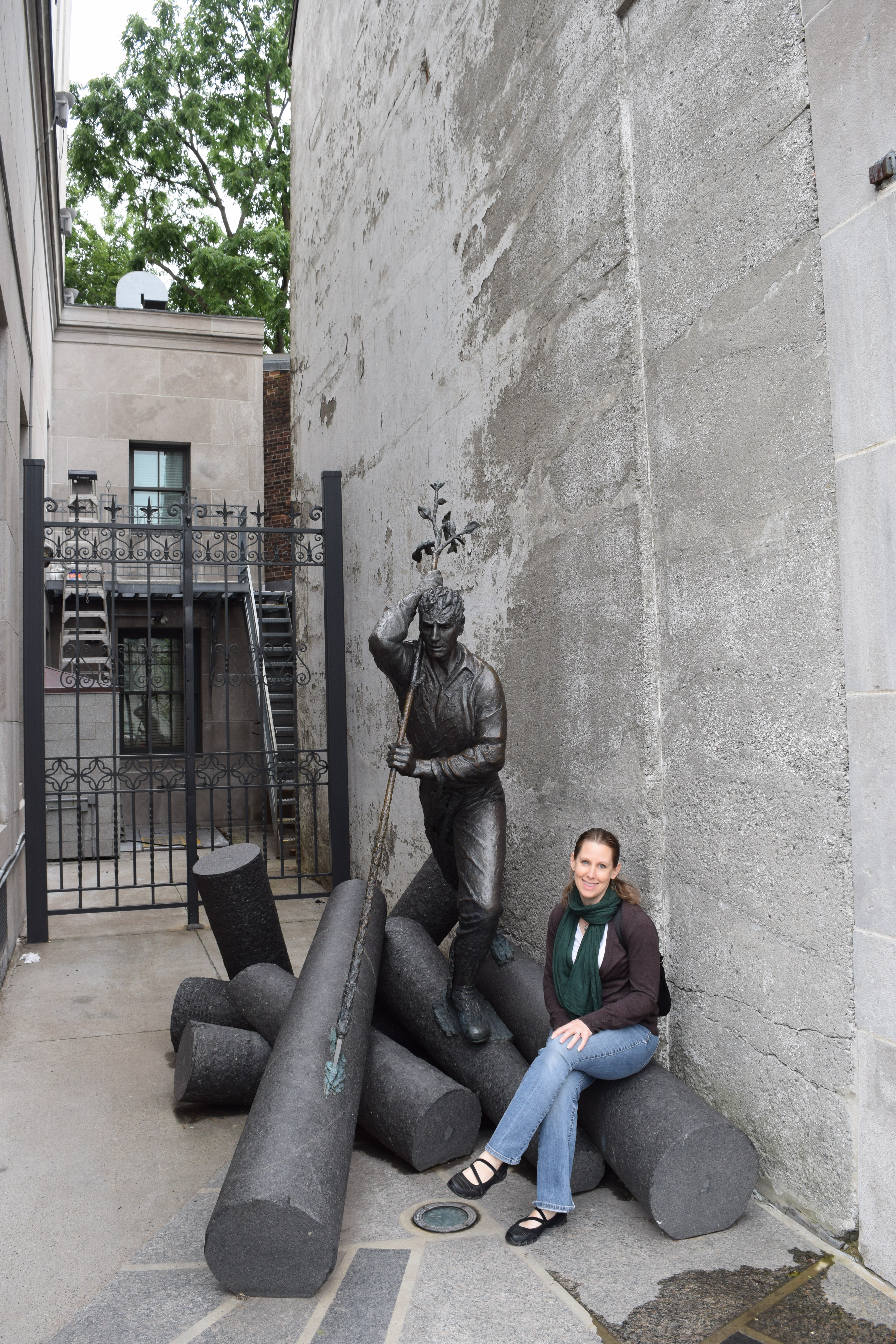
Pouting recently about new gray strands silvering through my hair, I now realize how many good things come with age. Eric and I traveled back to Quebec City, where we first visited together 10 years ago. Looking back over pictures, old and new, I see that Quebec is just as beautiful as ever. I’m older, happier, more fulfilled, more in love, and thankfully, thinner with out all that 32-year old baby fat. Bring on the gray.
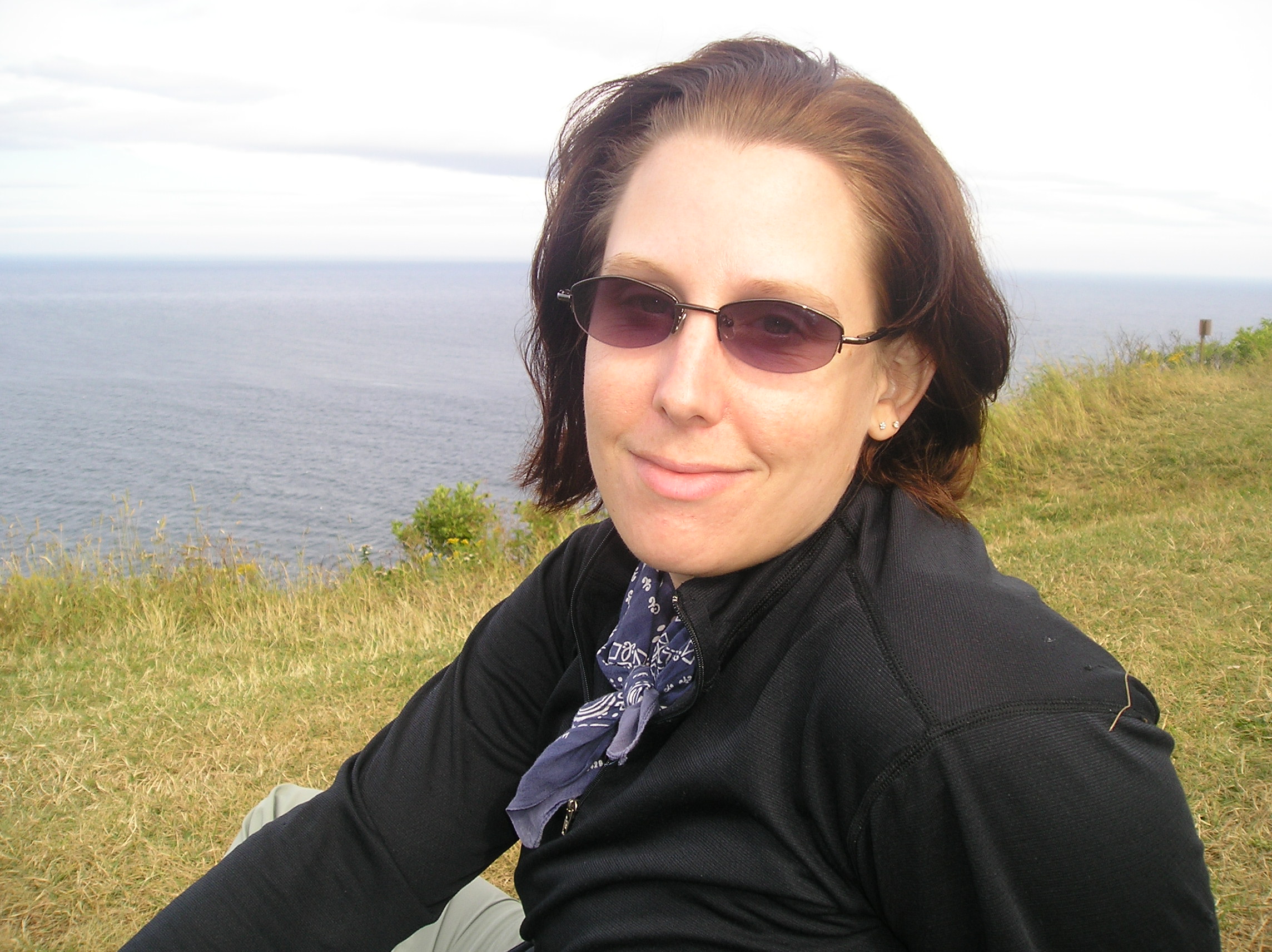
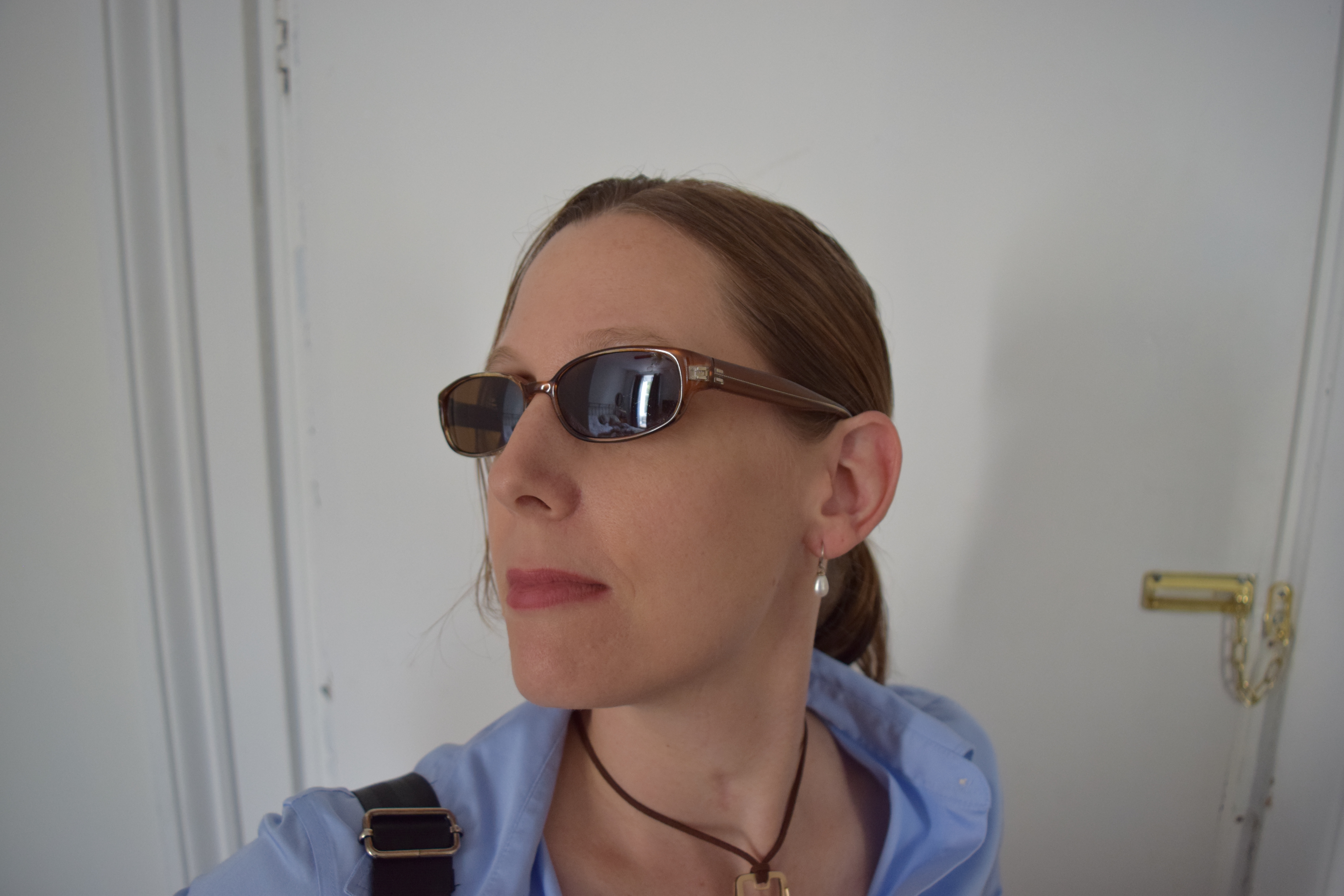

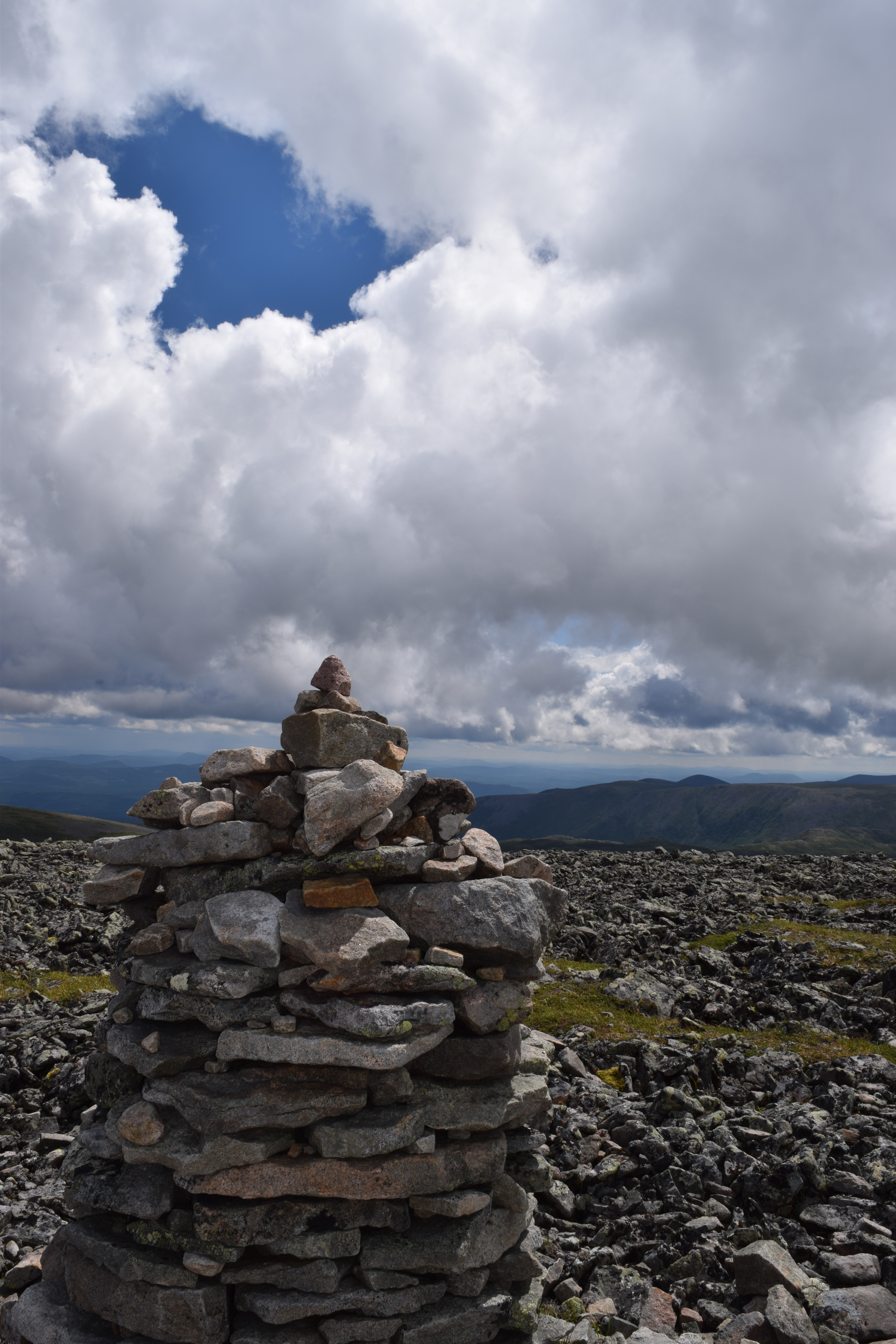
Given the curve of the horizon, here is surprisingly appropriate poem, written more than 20 years ago, which captures our hike up the highest peak in southern Quebec.
The World is Round
When I close my eyes
the grass is parched hair
and the sky is old slate,
but I am not lonely.
This is a nervous habit –
the way I think, the way I dance
without sound, like a cat
floating through empty hallways
searching for mice.
When I wonder, I hear
a sunbeam in the ocean
where I am nothing but a tear drop
falling into morning shadows.
And when I sing,
it is the departure of sparrows
fleeing the madness of earth.
The moon is happy
and yesterday means nothing.
 Amy Nawrocki